Showing posts sorted by relevance for query behind the mask. Sort by date Show all posts

Sunday, April 04, 2010

FLEETWOOD MAC.... IT ALL HAPPENED IN APRIL

Some Notable April Dates in Mac Chart History
There's likely more that happened in April through the years in various countries, this is from going through the information I've collected through the years.

ALBUMS:
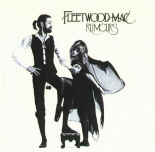
4.01.1977 - Rumours certified gold (50,000 units) and platinum (100,000 units) in Canada
4.02.1977 - Rumours reached #1 on Billboards Top 200 Albums Chart for the first time
4.05.2009 - Stevie Nicks Live in Chicago DVD debuts at #5 on the UK Music Video Charts
4.06.1998 - Rumours certified 18x Platinum in the US
4.07.1999 - Stevie Nicks Enchanted Boxed Set certified gold in the US
4.08.1987 - Tango In The Night certified gold and silver in the UK
4.09.1990 - Behind The Mask released in the UK
4.11.1977 - Rumours reaches #1 on the Australian Albums Chart
4.13.1987 - Tango In The Night released in the UK
4.14.2007 - Stevie Nicks Crystal Visions debuts at #21 on Billboards Top 200
4.14.2007 - Stevie Nicks Crystal Visions debuts at #2 on Billboards Top Music Videos Chart
4.18.2009 - Stevie Nicks Live in Chicago DVD debuts at #1 on Billboard Top Video Charts
4.18.2009 - Stevie Nicks The Soundstage Sessions debuts at #47 on Billboards Top 200
4.15.2003 - Say You Will is released in North America
4.21.1990 - Behind The Mask debuts on the UK Charts at #1
4.22.1972 - Bare Trees debuts on the Top 200 Albums Chart 
4.22.1988 - Tango In The Night certified 4x platinum in the UK
4.22.1990 - Behind The Mask peaks at #9 on the Austalian Albums Chart
4.23.2003 - Say You Will debuts on the Canadian Albums Chart at #8 selling 8,600 copies
4.25.1987 - Tango In The Night debuted on the UK Charts at #7
4.28.1973 - Penguin debuts on the Top 200 Albums Chart peaking at #49
4.28.1990 - Behind The Mask debuted on the Top 200 Albums Chart peaking at #18
4.28.1998 - Stevie Nicks Enchanted Boxed Set released
4.28.2003 - Say You Will released in the UK


OFFICIAL SINGLES / RADIO SINGLES:
4.01.1974 - Albatross (single) certified Silver in the UK (200,000 units sold)
4.02.1988 - Family Man debuts on Billboards Hot 100 & peaks at #90
4.02.1987 - Everywhere debuts on the UK Charts at #29 & peaks at #4
4.03.1988 - Everywhere debuts on the Ireland Singles Chart at #29 & peaks at #2
4.04.1987 - Big Love debuts on the UK Charts at #70 & peaks at #9
4.04.2009 - The Chain debuts on the UK Charts at #94 spending one week on the chart
4.05.1980 - Think About Me debuts on Billboard Adult Contemporary Chart & peaks at #28
4.07.1990 - Save Me debuts on Billboards Hot 100 & peaks at #33
4.07.1990 - Save Me debut on Billboard Adult Contemporary Chart & peaks at #6
4.07.1990 - Save Me debuts on Billboard Mainstream Rock Tracks Chart & peaks at #3
4.09.1983 - Oh Diane debuts on Billboard Adult Contemporary Chart & peaks at #35
4.09.1988 - Family Man debuts on Billboard Adult Contemporary Chart & peaks at #23
4.11.1981 - Fire Flies debuts on Billboard Mainstream Rock Tracks Chart & peaks at #59
4.12.1987 - Big Love debuts on Ireland Singles Chart at #27 & peaks at #8
4.13.1987 - Big Love peaks at #16 on Australian Singles Chart
4.13.1968 - Black Magic Woman debuts on the UK Singles Chart at #50 & peaks at #37
4.16.1973 - Albatross (single) released in the UK
4.16.1977 - Dreams debuts on Billboard Hot 100 & peaks at #1
4.16.1986 - Stevie Nicks' "I Can't Wait" peaks at #16 on Billboard Hot 100 
4.17.1982 - Stevie Nicks' "Edge of Seventeen peaks at #11 on Billboard Hot 100
4.17.1982 - Stevie Nicks' "Edge of Seventeen peaks at #5 on the Canadian Singles Chart
4.19.1968 - Man of the World debuts on the UK Charts at #21 & peaks at #2
4.20.2006 - Deep Dish "Dreams" w/Stevie Nicks debuts at #22 on Irelands Top 50 
4.21.1989 - Stevie Nicks' "Rooms on Fire" single Released
4.23.1983 - Can't Go Back debuts on UK Charts at #83 spending 1 week on the chart
4.24.2006 - Deep Dish "Dreams" w/Stevie Nicks debuts at #6 on Finlands Top 20 
4.24.2006 - Deep Dish "Dreams" w/Stevie Nicks debuts at #14 on the UK Top 75
4.25.1987 - Big Love debuts on Billboard Adult Contemporary Chart & peaks at #23
4.25.1987 - Seven Wonders debuts on Billboard Mainstream Rock Tracks Chart & peaks at #2
4.28.1990 - Love is Dangerous debuts on Billboard Mainstream Rock Tracks Chart peaks at #7
4.30.1977 - Dreams debuts on Billboard Adult Contemporary Chart & peaking at #11
4.30.1977 - Don't Stop debuts on the UK Singles Chart at #42 & peaks at #32
4.30.1982 - Stevie Nicks' "After The Glitter Fades" single released

Monday, July 18, 1994

Stevie Nicks has been as much an enigma as a consistent platinum-selling act

Stevie Nicks
Since she first exploded on the rock scene in 1975 as the seductive focal point of Fleetwood Mac, Stevie Nicks has been as much an enigma as a consistent platinum-selling act 


By Steven P. Wheeler 
Music Connection July 18, 1994

While her star may not be as high in the black night sky as it was in the late Seventies and early Eighties, Stevie Nicks' career has spanned three decades — twenty years (including eight platinum albums) with Fleetwood Mac and five multi-platinum solo albums - with her latest, Street Angel, likely to follow suit. In short, the lady still commands respect. 

Now, five years after her last solo album the rather lackluster The Other Side Of The Mirror the 46-year-old Nicks has returned to her roots. A sparkling album, Street Angel, harkens back to her Number One solo debut, Bella Donna, and even more so to her days as rock's reigning queen at a time when her former band, Fleetwood Mac, was the biggest act in the music world. 

Recovering from recent eye surgery to correct her lifelong poor vision, we spoke with Nicks from her home in Phoenix, Arizona, where she has been since the infamous Northridge quake earlier this year.  

While Nicks may have kept busy with a greatest hits album (TimeSpace), two solo tours, one Fleetwood Mac album (Behind The Mask), as well as a Mac tour over the past half-decade, the somewhat reclusive superstar agrees that with such a long period between albums, it was time to speak up with the release of Street Angel.

However, she did make clear that there are certain things she never wants to share with her public. "I usually don't do a lot of press, but with this record, I figured that it would only be to my benefit to talk about it a little bit.

But I don't really like people knowing everything about me. I like being a mystery, and I even think I'm pretty mysterious to the people who know me really well. There is a part of me that isn't available to the public, except in my songs. When I'm writing I really do strive to be totally honest. I never make up a song. They either come right from my journals or straight out of my head because of something that is happening. It's always been important to me that people think of me as more than just a 'tune-sayer.'"

The obvious difference between Street Angel and her more recent solo projects is the abandonment of a synthesizer-based sound in favor of the more guitar-oriented influences of her past.

guitar-oriented influences of her past. "I think it has a lot to do with what you start out with," states Nicks in a girlish voice which moves in a machine gun rhythm at times. "On The Other Side Of The Mirror, I started out with Rupert Hines, who is an amazing keyboard player, so that whole album sort of went the way of the airy, surreal keyboard and synthesizer thing. It was like being in the twilight zone at times |laughs|. This album was started with (former Eagle] Bernie Leadon and Andy Fairweather Low. So I had two acoustic guitar players and myself for two months at my house in Los Angeles, playing all the songs that I showed them, which was many more than the thirteen on the record. 

"The ones that ended up on the album started to show themselves," continues Nicks. "We were sitting in my English Tudor-style library playing my songs and it was almost like we were preparing to go out on the road as a Kingston Trio kind of act, where we would go out and play little clubs and set up the equipment ourselves (laughs). So this album just started out from a guitarist's point of view, as opposed to piano or synthesizers."

For her part, Nicks hasn't made any final assessment about the album, saying, "I think it's too soon for me to make a judgment, but I think it's a great driving album." 

While she has spent the last twenty years in the often-blinding media spotlight, little is known of Nic ks' formative years when she lived like the gypsy that she would sing about decades later, and something which obviously set the pace for her professional life.

Born in Phoenix, Nicks' family moved to Los Angeles (her other hometown) before popping into a succession of cities due to her father's successful executive career. The cities flew by like the pages of a calendar—first, there was Albuquerque, New Mexico, then El Paso, Texas, and Salt Lake City, Utah. The clan headed back to Los Angeles for Stevie's first three years of high school, before heading north to San Francisco for her final year of high school. 

"It was my senior year, which is a really rotten time to have to move into a new school," recalls Nicks. "You couldn't try out tor cheerleader. You couldn't try out for song leader. You couldn't try out for flag twirler. You couldn't do anything because they had all tried out the previous year. So I was totally crushed because that was my dream at that point."

While Nicks' voice seems to carry a twinge of childhood regret, it's hard to imagine what would have happened if she had been twirling flags on the gridiron, instead of crossing paths with another flower child of the sixties, Lindsey Buckingham, during the summer of 1966. 

"I met Lindsay at the end of my senior year," explains Nicks. "We were at a party and Lindsay and I sang 'California Dreamin" together that night."

However, it wasn't until two years later in 1968, when the twenty-year-old hippie girl would speak with Buckingham again, this time it was over the phone as her future love interest asked her to join his band Fritz. "I had never sang rock before," admits Nicks, "and I certainly had never been in a rock band, but I thought, 'Why not?' So I ended up being in that band with Lindsay for three and a halt years. We practiced every day, and we played some really big shows."

Those early years with Fritz turned out to be perfect training for the future, but Nicks admits that she had no idea of it at the time. "I don't think I would have ever been able to just walk into Fleetwood Mac and been cool about being center front stage if it hadn't been for those three and a half years in Fritz. I would have been totally nervous and 'stagefrighted out.' But Fritz was like an incredible amount of preparation experience, which I didn't really know was preparation at that point." 

Like many unsigned bands, it was the very goal of being discovered which ultimately led to the demise of Fritz, as Nicks and Buckingham got a quick lesson into the ways of the music business. "This producer named Keith Olsen who would go on to work with Fleetwood Mac and Nicks during her solo years! invited the band down to L.A. to do some recording, but it was very obvious that everybody wanted to break Lindsay and I away from the rest of the guys in the band." 

In fact, Nicks now says that it was the dissolution of the band that brought the musical partners into a more personal relationship. "It was the guilt that drove us together," Nicks says with a laugh. "That's why Lindsey and I started going out. We just felt so bad because everyone in Los Angeles was trying to kill our band. I mean, after three and a half years together, these guys were our best pals in the world and they were just being shut out, and it was very obvious."

With the other Fritz members gone, Buckingham/Nicks made their first and only album. While this self-titled cult classic has grown to become one of the most in-demand vinyl albums, it was anything but a commercial success at the time of its 1973 release.

As for the possibility of the album ever coming out on CD, Nicks points an accusatory finger at her former partner. "If Lindsay would just call me back, we would release the album because there are a lot of labels, including Atlantic, who are very interested in it. But Lindsey has just been incommunicado lately, and if he doesn't call me back soon I'm going to put a huge ad in Billboard that says, 'Lindsey Buckingham is the reason that Buckingham/Nicks hasn't been released on CD,' because it's all him. So sign the petition because I'm doing what I can." 

As their debut album basically flopped, the two struggling musicians had no indication of the stardom that was just around the corner. In fact, Nicks was working as a waitress in Hollywood, while Buckingham worked on the music at their apartment near Canter's Restaurant on Fairfax. 

Meanwhile, in another part of town, as Buckingham and Nicks struggled through this period of shattered dreams, an English blues drummer by the name of Mick Fleetwood happened to be visiting Sound City Studios at the tail-end of 1974. 

Fleetwood was searching for studios to record what would be Fleetwood Mac's next album, while at the same time searching for a new guitarist to replace the recently departed Mac guitarist/vocalist Bob Welch. 

During his trip to Sound City, producer Keith Olsen wanted to show Fleetwood the sounds that the studio was capable of producing, so he grabbed a tape that happened to be laying on the console and turned it up. 

The song that came on was the seven-minute epic "Frozen Love" from the Buckingham/Nicks album. Fleetwood was instantly grabbed by the guitarist on the tape and inquired as to who it was. Olsen explained that the guitar player was part of a duo, who probably wouldn't leave his musical partner, who also happened to be his girlfriend. 

Not to be dissuaded, Fleetwood made the call anyway. Nicks picks up the story from here: "We got a call from Mick on New Year's Eve night of 1974 going into '75, asking us to join Fleetwood Mac. At that time, Lindsay and I were really poor. I mean, we were like really starving. We were totally disillusioned, we were both miserable, totally unhappy with each other and the world in general, and I told Lindsay that I thought we should do anything that was going to raise our lifestyle, and he agreed." 

Ironically, Nicks had no idea who or what Fleetwood Mac was at the time. "I went down to the record store that night and bought every Fleetwood Mac album and we listened to all of them from front to back. I was looking to see if there was something that I could add to this band, and I felt that there was a kind of mystical thing throughout the band's history from Peter Green's bluesy guitar to Bob Welch's 'Bermuda Triangle' to Christine's sort of 'airy-fairy' voice, and I thought that it might work. Of course, they didn't need another singer, they needed a guitar player, but they couldn't get Lindsay without me, so they had to take us both." 

As the band hit the road for an extensive tour behind Fleetwood Mac (which became known as the band's White Album), their powerhouse performances brought more converts to the band, with the charismatic and mysterious singer with the strange little voice quickly becoming the center of attention, as the album eventually topped the charts fueled by the Top Ten single "Rhiannon."

However, success didn't come easily, as a series of internal breakups threatened to destroy the band before it had a chance to discover its full potential. First, the marriage of bassist John McVie and keyboardist/vocalist Christine McVie dissolved, as did drummer Mick Fleetwood's marriage and finally Nicks' long-term relationship with Buckingham. 

As Nicks explains, it was anything but a walk in the park during the making of their classic album Rumours in 1976. "In a normal situation, you don't break up with someone and then see them the next day for breakfast. But within Fleetwood Mac, you saw that person the next day, so the sarcasm level went way up and the little digs got to be thousands a day, and people would just slam out of the studio.'' 

Then, Nicks adds this obvious aside, "Great tragedy definitely led to great art. You had five people who were very high-strung and over the edge really easy. Everybody was really screwed up, but we got the greatest rock & roll soap opera out of it." 

The result of this personal turmoil was an album that would spend an incredible 31 consecutive weeks at the top of the charts. In the process, Rumours became the biggest-selling album in history at the time with more than 20 million copies sold to date. 

Following the seemingly endless touring that helped propel Rumours into the record books, the band returned to the studio for work on their Sgt. Pepper-like opus, simply entitled Tusk. 

The recording took longer than the previous two albums combined, as Buckingham's creativity took on a meticulous, almost scientific approach, something that didn't exactly endear him to the rest of the members. 

Yet, a steady diet of booze and Peruvian Marching Powder enabled the group to get through it and may go a long way in explaining the double album's somewhat scattered focus. 

"Tusk took thirteen months to make, and you had to be there every day," Nicks says without a hint of exaggeration. "There was no calling in sick, you were there from two in the afternoon straight through to seven the next morning, and sometimes we didn't even go home. It was really intense, and it probably was as nuts as we got. The only thing that Fleetwood Mac ever did in abundance was a lot of cocaine and a lot of drinking, and luckily we never did anything else."

Nicks goes on to say that the pressures of following up two consecutive Number One albums, along with the band's notoriously intense touring schedule, led toa lengthy ride in the fast lane. "Everybody was so tired all the time and really haggard. That's why cocaine was so much a part of our lives; we were just too tired every day to go on. We had commitments here and commitments there, and the record company barking down our backs, asking why the album was taking so damn long. To this day, I don't even know what Tusk was; it was just this intense thing. It's a great story to tell but it wasn't much fun to live." 

Following another extensive worldwide tour behind the multi-platinum Tusk, which failed to top the charts like its two predecessors, Nicks began to look seriously at a solo career. After five years with Fleetwood Mac, Nicks had amassed a large backlog of material and presumably, an equal amount of artistic frustration, which became obvious when the down-to-earth singer explained the reasons behind the launching of her hugely successful solo career.

"I realized that two or three songs every two to three years wasn't enough for me," states Nicks. "Not only was it just two to three songs, it usually wasn't even my favorite two to three songs. The band would hear fifteen to twenty of my songs when we'd do a Fleetwood Mac album, and they'd invariably pick out the two songs that were my least favorite. So my favorite songs would never get used." 

Nicks goes on to say, "By the time I got to Bella Donna, I had tons of songs that I really loved, and nobody was ever going to hear them. It was like I was working for nothing. That's absolutely why I decided to do Bella Donna; to look for other avenues outside of Fleetwood Mac." 

What Bella Donna did was show that Stevie Nicks was not some sort of Lindsay Buckingham puppet, as the album topped the charts in 1981 on the strength of three Top Ten hits—"Leather And Lace," "Edge Of Seventeen" and the Tom Petty-penned "Stop Draggin' My Heart Around."

Returning to the Fleetwood Mac fold a year later, Nicks began to feel the strain of balancing her solo career with the band that made her famous. 

"I had to give up everything to be in Fleetwood Mac for more than fifteen years, and that's not a lie, that's really true. You couldn't have any kind of a normal life to do what I've been doing all these years." 

Nicks goes on to cite the proverbial straw that broke the camel's back. "The reason I finally left Fleetwood Mac was that having to go back-and-forth, and back-and-forth got to be too much. This is the first time that I won't have to go back and forth. It was always a pain. I made it work but it really took its toll on me because when Fleetwood Mac got to go to Hawaii for two months and rest, I had to go in the studio for my own thing. Then when all the people who toured with me got to take some time off, I had to go back in the studio with Fleetwood Mac. This will be the first time in fifteen years that I haven't had two demanding jobs."

Having officially quit Fleetwood Mac after their much-publicized performance at the Clinton inauguration, Nicks seems more than a little enthusiastic at the prospects of the future. "I'm totally excited about this because
I don't have to be dreading the fact that I have a whole other job to go home to." 

In the meantime, it's nice to know that Stevie Nicks has returned with arguably her finest album ever, and is set to hit the stage in the coming months and embark on a whole new chapter of her solo career. 

Wednesday, November 30, 2022

Christine McVie, Fleetwood Mac's biggest hitmaker dies, she was 79

Christine McVie, Hitmaker for Fleetwood Mac, Is Dead at 79
As a singer, songwriter and keyboardist, she was a prolific force behind one of the most popular rock bands of the last 50 years.


By Jim Farber
Nov. 30, 2022

Christine McVie, the singer, songwriter and keyboardist who became the biggest hitmaker for Fleetwood Mac, one of music’s most popular bands, died on Wednesday, November 30th. She was 79.

Her family announced her death on Facebook. The statement said she died at a hospital but did not specify its location or give the cause of death. In June, Ms. McVie told Rolling Stone that she was in “quite bad health” and that she had endured debilitating problems with her back.

Ms. McVie’s commercial potency, which hit a high point in the 1970s and ’80s, was on full display on Fleetwood Mac’s “Greatest Hits” anthology, released in 1988, which sold more than eight million copies: She either wrote or co-wrote half of its 16 tracks. Her tally doubled that of the next most prolific member of the band’s trio of singer-songwriters, Stevie Nicks. (The third, Lindsey Buckingham, scored three major Billboard chart-makers on that collection.)

The most popular songs Ms. McVie wrote favored bouncing beats and lively melodies, numbers like “Say You Love Me” (which grazed Billboard’s Top 10), “You Make Loving Fun” (which just broke it), “Hold Me” (No. 4) and “Don’t Stop” (her top smash, which crested at No. 3). But she could also connect with elegant ballads, like “Over My Head” (No. 20) and “Little Lies” (which cracked the publication’s Top Five in 1987).

All those songs had cleanly defined, easily sung melodies, with hints of soul and blues at the core. Her compositions had a simplicity that mirrored their construction. “I don’t struggle over my songs,” Ms. McVie (pronounced mc-VEE) told Rolling Stone in 1977. “I write them quickly.”

In just half an hour, she wrote one of the band’s most beloved songs, “Songbird,” a sensitive ballad that for years served as the band’s closing encore in concert. In 2019, the band’s leader, Mick Fleetwood, told New Musical Express that “Songbird” is the piece he wanted played at his funeral, “to send me off fluttering.”

Ms. McVie’s lyrics often captured the more intoxicating aspects of romance. “I’m definitely not a pessimist,” she told Bob Brunning, the author of the 2004 book “The Fleetwood Mac Story: Rumours and Lies.” “I’m basically a love song writer.”

At the same time, her words accounted for the yearning and disappointments that can lurk below an exciting surface. “I’m good at pathos,” she told Mojo magazine in 2017. “I write about romantic despair a lot, but with a positive spin.”


‘That Chemistry’
Ms. McVie’s vocals communicated just as nuanced a range of feeling. Her soulful contralto could sound by turns maternally wise and sexually alive. Her tawny tone had the heady effect of a bourbon with a rich bouquet and a smooth finish. It found a graceful place in harmony with the voices of Ms. Nicks and Mr. Buckingham, together forming a signature Fleetwood Mac sound.

“It was that chemistry,” she told Mojo. “The two of them just chirped into the perfect three-way harmony. I just remember thinking, ‘This is it!’”

A sturdy instrumentalist, Ms. McVie played a range of keyboards, often leaning toward the soulful sound of a Hammond B3 organ and the formality of a Yamaha grand piano.

With Fleetwood Mac, she earned five gold, one platinum and seven multiplatinum albums. The band’s biggest success, “Rumours,” released in 1977, was one of the mightiest movers in pop history: It was certified double diamond, representing sales of over 20 million copies.

In 1998, Ms. McVie was inducted into the Rock & Roll Hall of Fame along with various lineups of Fleetwood Mac, reflecting the frequent (and dramatic) personnel shifts the band experienced throughout its labyrinthine history. Ms. McVie served in incarnations that dated to 1971, but she also had uncredited roles playing keyboards and singing backup as far back as the band’s second album, released in 1968. Before joining Fleetwood Mac, she scored a No. 14 British hit with the blues band Chicken Shack on a cover of Etta James’s “I’d Rather Go Blind” for which she sang lead.

Christine Anne Perfect was born on July 12, 1943, in the Lake District of England to Cyril Perfect, a classical violinist and college music professor and Beatrice (Reece) Perfect, a psychic.

Her father encouraged her to start taking classical piano lessons when she was 11. Her focus changed radically four years later when she came across some sheet music for Fats Domino songs. At that moment, she told Rolling Stone in 1984, “It was goodbye Chopin.”

“I started playing the boogie bass,” she told Mojo. “I got hooked on the blues. Even today, the songs I write use that left hand. It’s rooted in the blues.”

Ms. McVie studied sculpture at Birmingham Art College and for a while considered becoming an art teacher. At the same time, she briefly played in a duo with Spencer Davis, who, along with a teenage Steve Winwood, would later find fame in the Spencer Davis Group. She helped form a band named Shades of Blue with several future members of Chicken Shack.

After graduating from college in 1966, Ms. McVie moved to London and became a window dresser for a department store. One year later, she was asked to join the already formed Chicken Shack as keyboardist and sometime singer. She wrote two songs for the band’s debut album, “40 Blue Fingers, Freshly Packed and Ready to Serve.”

She was twice voted best female vocalist in a Melody Maker readers’ poll, but she left the band in 1969 after marrying John McVie, the bassist in Fleetwood Mac, which had been formed in 1967 and had already recorded three albums. That same year, she recorded a solo album, “The Legendary Christine Perfect Album,” which she later described to Rolling Stone as “so wimpy.”

“I just hate to listen to it,” she said.


Joining the Band
Her disappointment in that record, combined with her reluctance to perform, caused Ms. McVie to put music aside for a time. But, in 1970, when Fleetwood Mac’s main draw, the guitarist Peter Green, suddenly quit the band after a ruinous acid trip, Mick Fleetwood invited her to fill out their ranks.

Initially, she found the invitation to join her favorite band “a nerve-racking experience,” she told Rolling Stone. But she rose to the occasion by writing two of the catchiest songs on her first official release with the band, “Future Games” (1971). That release found the band leaning away from British blues and toward progressive Southern Californian folk-rock, aided by the addition of an American player, the singer, songwriter and guitarist Bob Welch.

The band fine-tuned that sound on its 1972 set “Bare Trees,” which sold better and featured one of Ms. McVie’s most soulful songs, “Spare Me a Little of Your Love.” The band’s 1973 release, “Penguin,” went gold. The next collection, “Heroes Are Hard to Find,” was the band’s first to crack the U.S. Top 40. But it was only after the departure of Mr. Welch and the hiring of the romantically involved team of Ms. Nicks and Mr. Buckingham, for the 1975 album simply called “Fleetwood Mac,” that the band began to show its full commercial brio.

Ms. McVie‘s song “Over My Head” began the groundswell by entering Billboard’s Top 20; her “Say You Love Me,” reached No. 11. After a slow buildup, the “Fleetwood Mac” album eventually hit Billboard’s summit.

Just over a year and a half later, the group released “Rumours,” which generated outsize interest not only for its four Top 10 hits (two of them written by Ms. McVie) but also for several highly dramatic behind-the-scenes events within the band’s ranks, which they aired out in the lyrics and openly discussed in the press.

During the creation of the album, the two couples in the band — Ms. Nicks and Mr. Buckingham and the married McVies — broke up. Ms. McVie’s song “You Make Loving Fun” celebrated an affair she was then having with the band’s lighting director. (At first, she told Mr. McVie that the song was about her dog.) The optimistic-sounding “Don’t Stop” was intended to point her ex-husband toward a new life without her.

“We wrote those songs despite ourselves,” Ms. McVie told Mojo. “It was a therapeutic move. The only way we could get this stuff out was to say it, and it came out in a way that was difficult. Imagine trying to sing those songs onstage with the people you’re singing them about.”

It helped dull the pain, she told Mojo, that “we were all very high,” adding, “I don’t think there was a sober day.” And the album’s megasuccess gave the members a different high. “The buzz of realizing you’ve written one of the best albums ever written; it was such a phenomenal time,” Ms. McVie told Attitude magazine in 2019.

But the group yearned to stretch creatively. The result was the less commercial sound of the double-album follow-up, “Tusk,” released in 1979. Though not a success on anything near the scale of “Rumours,” it sold more than two million copies and produced three hits, including Ms. McVie’s “Think About Me.”


Into the ’80s
The group moved smoothly into the new decade with the 1982 release “Mirage,” which hit No. 1 aided by Ms. McVie’s “Hold Me,” a Top Five hit that was inspired by her tumultuous relationship with the Beach Boys’ Dennis Wilson. Two years later, Ms. McVie issued a solo album that made the Top 30, while its strongest single, “Got a Hold on Me,” broke the Top 10.

In 1987, the reconvened Fleetwood Mac issued “Tango in the Night,” which featured two hits written by Ms. McVie, “Everywhere” and “Little Lies.” (“Little Lies” was written with the Portuguese musician and songwriter Eddie Quintela, whom she had wed the year before. They would divorce in 2003.) Mr. Buckingham left the group shortly afterward, shaking the dynamic that had made their recordings stellar. The 1990 album “Behind the Mask” barely went gold, producing just one Top 40 single (“Save Me,” written by Ms. McVie), while “Time,” issued five years later, was the band’s first unsuccessful album in two decades.

Ms. McVie didn’t tour with the band to support “Time.” But the early 1990s brought broad new attention to her hit “Don’t Stop” when it became the theme song for Bill Clinton’s successful presidential campaign. In 1993, Mr. Clinton persuaded the five musicians who played on that hit to reunite to perform it at an Inaugural ball.

They came together again in 1997 for a tour, which produced the live album “The Dance,” one of the top-selling concert recordings of all time. Yet by the next year a growing fear of flying, and a desire to return to England from the band’s adopted home of Los Angeles, inspired Ms. McVie to retire to the English countryside.

Five years later, she agreed to add some keyboard parts and backing vocals to a largely ignored Fleetwood Mac album, “Say You Will,” and in 2006 she produced a little-heard solo album, “In the Meantime,” which she recorded and wrote with her guitarist nephew Dan Perfect.

Finally, in 2014, driven by boredom and a growing sense of isolation, she reunited with the prime Mac lineup for the massive “On With The Show” tour. In its wake, Ms. McVie began to write lots of new material, as did Mr. Buckingham, resulting in an album under both their names in 2017, as well as a joint tour. The full band also played shows that year; even though Mr. Buckingham was fired in 2018, Ms. McVie continued to tour with the group in a lineup that included Neil Finn of Crowded House and Mike Campbell of Tom Petty and the Heartbreakers. In 2021, Ms. McVie sold publishing rights to her entire 115-song catalog for an undisclosed sum.

Information on her survivors was not immediately available.

Throughout her career, Ms. McVie took pride in never being categorized by her gender. “I kind of became one of the guys,” she told the British newspaper The Independent in 2019. “I was always treated with great respect.”

While she always acknowledged the special chemistry of Fleetwood Mac’s most successful lineup, she believed her role transcended it.

“Band members leave and other people take their place,” she told Rolling Stone, “but there was always that space where the piano should be.”


Thursday, June 25, 1992

Lindsey Buckingham's Out Of The Cradle is a wildly impressive coming-out party

Lindsey Buckingham: Post-Mac Attack
The wayward Fleetwood singer continues on – solo

BY DAVID WILD
Rollingstone - Published June 25, 1992


I'm not trying to compete with Kris Kross now, just like I didn’t try to compete with Christopher Cross in the old days.”

Lindsey Buckingham – the pop genius and sonic architect behind Fleetwood Mac‘s string of platinum successes in the Seventies and Eighties – is sitting under a velvet Elvis portrait in his home studio in the lovely hills of Bel Air, California. Buckingham has spent a substantial portion of the last four years in this room. Now, however, he’s finally on the verge of sharing with the public some of the music that he and Richard Dashut, his coproducer and writing partner, have been creating here, and he’s considering the question of how popular his eccentric brand of melodic pop will be these days.

“I guess it’s obvious that making this album hasn’t been an especially speedy process,” says the master of the understatement. “But I had to let a lot of emotional dust settle. People might think I’ve been off on some island getting my ya-yas out. The truth is, I’ve basically been here twelve hours a day. I’ve been goofing off only in the most productive sense.”

Asked if he’s grown sick of the windowless room, Buckingham pauses as if he hasn’t considered the issue before. “Well, I’m not really sick of it,” he says finally. “But I haven’t come inside here for a while, and I’m not sure why. A couple of weeks ago, I opened the door and just looked in. And I couldn’t relate to having spent the amount of time I did in here. This room became more my reality than the rest of the house. At times the whole thing seems like a weird dream to me.”

Buckingham pauses again and looks around the room. “You know,” he adds, “actually, I guess I am pretty damn sick of this place.”

Happily, all of Buckingham’s work has paid off. Out of the Cradle – his first release since he decided to go his own way and leave the Big Mac shortly after the release of 1987’s album Tango in the Night – is a wildly impressive coming-out party for the forty-two-year-old Buckingham. A veritable one-man show, the album is an artfully crafted song cycle whose romantic lushness is effectively balanced by a healthy dose of ripping guitar. More ambitious than the two solo albums he squeezed in between Mac projects – 1981’s Law and Order and 1984’s Go Insane – Out of the Cradle represents Buckingham’s finest work since 1979’s Tusk, the album that established a creative high-water mark for his former group. That album – the controversial follow-up to 1977’s Rumours, one of the best-selling records of all time – was also, according to Buckingham, the beginning of the end for him and Fleetwood Mac.

Buckingham and his then creative and romantic partner, Stevie Nicks, joined Fleetwood Mac in late 1974. At the time, Buckingham was already a “complete studio rat.” He first caught the bug when he set up a recording room at his father’s coffee plant, in Daly City, California, after dropping out of college in the early Seventies. Around the same time, he and Nicks started playing together with a Bay Area group called Fritz. They moved to Los Angeles in 1973, recording an album as Buckingham-Nicks the next year. “Our record company had no idea what to do with us,” says Buckingham. “They said something about wanting us to be the new Jim Stafford, and they wanted us to play steakhouses.” Opportunity knocked when Mick Fleetwood went to check out an L.A. studio and producer Keith Olsen played a track from the record he’d done with Buckingham-Nicks as a demonstration. Impressed, Fleetwood asked the pair to join his band a week later. It would prove to be a savvy decision. The reconstituted Mac – with Buckingham and Nicks joining bassist John McVie; his then wife, keyboardist and vocalist Christine McVie; and Fleetwood – debuted with 1975’s Fleetwood Mac, a multiplatinum smash that sold nearly 6 million copies worldwide, followed by the classic Rumours two years later.

Yet Buckingham says it was never an easy fit – though at first the tensions within the band fueled the music. “Fleetwood Mac was one big lesson in adaptation for me,” says Buckingham. “There were five very different personalities, and I suppose that made it great for a while. Obviously, having two couples – and soon enough, ex-couples – added a lot more tension and some great subject matter to the mix. But the problems really kicked in when you started adding five managers and five lawyers to the equation. Once Stevie was singled out and selected as the star of the band, the machinery of the rock business clicked in, and things really got stupid. By the time of Tango, you could hardly fit all these people in one room for a band meeting. It was a heartbreaking thing to watch, until it became almost comical.”

Musically, however, things just got better and better for Buckingham until the release of Tusk, an under-appreciated pop epic that met with a mixed response commercially, selling only 2 million copies. “It was a bizarre left turn,” Buckingham says. “But I knew if we made Rumours II that we’d have to make Rumours III and Rumours IV. We’d sold 14 million copies of Rumours [21 million worldwide], so we were in that mega-Michael Jackson area, and that’s a dangerous place to be. There was a big backlash. It wasn’t like the people around me at the time were saying, ‘Hey, Lindsey, let’s keep going in that interesting direction where we sell a lot less records than we used to.’ I really had the wind taken out of my sails, and I felt set adrift for a while.”

In 1982 the band returned to the top of the charts with the more user-friendly Mirage, but for Buckingham the thrill was gone. “It became more and more this big machine that had to have hits to keep working,” he says. “There was no room to grow. After Tusk, it was basically all disappointment for me. It became a soap opera.”

Partly in an attempt to give Fleetwood Mac a more fitting swan song, Buckingham and Dashut returned to help whip Tango in the Night into shape. In the end, that record became the group’s biggest album since Rumours, with sales of 8 million. Still, the experience was hardly an easy one. “It was a mess,” he says. “Whatever was going on in people’s personal lives, I can’t really say. I was never the one up all night creating shenanigans and high jinks anyway – I was the one who went up to my room to work on songs. But for whatever reasons, there was no camaraderie left. Just getting people in the same room to create more semblance of a group became a huge hassle. Especially with Stevie, who was probably around for something like ten days for that whole record.”

Buckingham’s split with the band came when he decided he couldn’t tour to support the album. “They’d smoothed things over and coerced me, and I’d kind of agreed to go,” he says. “Then I realized I just couldn’t do it. I called another meeting, and they were shocked and hurt. I knew they wouldn’t leave it at that, so basically you could say I was let go.”

The group added two new members, Billy Burnette and Rick Vito, in an attempt to fill the void left by Buckingham’s departure. Diplomatically, Buckingham says only that Behind the Mask – the 1990 record the group made without him – was “not an album I can say I took to heart.” Buckingham did, however, take to heart some of the slights meted out by Fleetwood in his 1990 tell-all tome, Fleetwood. “I didn’t read the whole book,” Buckingham says, “but I did skim it, and there were a lot of . . . untruths, shall we say. Mick was basically trying to underplay my contribution, but the thing that really upset me is the incident he describes of the night I left the band. He had this thing in there about me slapping Stevie. I mean, she probably deserved to be slapped. But it never happened that way. I don’t know what Mick was talking about.”

“Wrong,” one of the tracks on Out of the Cradle, was inspired in part by Buckingham’s reaction to Fleetwood. The rest of the album reflects Buckingham’s experiences with the group in a much more vague and positive manner. “There’s no sense in my hiding from the association,” he says. “I feel like fifteen years with Fleetwood Mac was like working on my thesis, doing research for some kind of paper. And I wanted to make an album that sort of put it all in a real healthy perspective with maybe a little more maturity in there somewhere. Because even though I feel younger than I did ten years ago, the fact is, I’m not eighteen and there’s no point in pretending I am.”

Buckingham decided to bury the hatchet with his former band mates and made a cameo appearance onstage at the end of Fleetwood Mac’s last concert in 1990. More recently, he agreed to work with the group on some new tracks for an upcoming box set, if time permits. “Going up onstage with them one more time wasn’t any sort of nail in the coffin for me emotionally,” he says, “because I already felt pretty detached. Still, the minute I saw Mick, the chemistry was still there, and that was pretty much the case with everyone. It was a gas.” As for the new songs, Buckingham says: “There’s no reason for me not to do it. I’d have to feel a lot of animosity toward those people not to work with them, and I don’t feel that way.

“I left Fleetwood Mac to make myself happy,” says Buckingham, “and fortunately it worked. That’s why I spent all this time in the garage – trying to make something that made me happy.” And though Buckingham says that “so much in my life is work right now,” he admits to having left the studio occasionally to spend time with longtime girlfriend Cheri Caspari, whom he met while making Go Insane.

Still, Buckingham says, he’s more than willing to leave his home long enough to support Out of the Cradle by hitting the road. “It’ll be great to get out of the studio, get some air and play with some other musicians,” he says. “In the Fleetwood Mac days we got used to the private jets and everything when we toured, but this time I’ll take the public bus if I have to.”

At the same time, Buckingham wouldn’t mind selling some records, too. “My other solo records were made quickly as sidebars to a more mainstream situation,” he says. “That’s not the case anymore, so there’s no point in my being esoteric just for the sake of it now. I’m certainly not interested in making a cheap-shot sellout. This is no longer the sideshow, this is the main event, and I hope there are hits on there somewhere.”

Lenny Waronker, president of Warner Bros. Records, Buckingham’s label, believes there’s no shortage of hits. “It’s the height of great songwriting and record-making,” he says, “and I think the power and quality of the music will bring people in.”

Buckingham named the album Out of the Cradle after the Walt Whitman poem “Out of the Cradle Endlessly Rocking.” “The phrase just had a certain resonance,” Buckingham says. “Some people thought there was an unnecessary reference in the title to my leaving Fleetwood Mac, and I suppose you could make an argument for that. You could also argue that there’s something ironic and weird about a guy over forty thinking of himself as leaving any sort of cradle. But that’s the way it feels. And it feels very good.”

Sunday, June 17, 2012

Chart Updates: Fleetwood Mac's 25 Years The Chain Hits UK Top 10

Missed a week of updates for the US (June 3rd, chart date June 16th) so that's first. Then the most current chart standings for various albums of Fleetwood Mac and Stevie Nicks around the globe.

USA
Week Ending June 3, 2012 - Chart date: June 16, 2012

Top 200 Catalogue Albums Chart
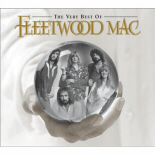
Fleetwood Mac's The Very Best Of lands on the charts at #51 on a sales increase of 135%.  Units sold during the week May 28th to June 3rd were 2,420 vs 1,028 the previous week. Total album sales in the US = 1,479,982.

# 51 (R/E) Fleetwood Mac - The Very Best Of

Top 200 Catalogue Physical Albums 
Fleetwood Mac's The Very Best Of leaps up from #157 to #17 and Stevie's Bella Donna moves down to #162 from #136 the previous week selling 1,105 units vs 1,115 in the previous sales period. Total sales in the US since November, 1991 861,599.

#  17 (157) Fleetwood Mac The Very Best Of
# 162 (136) Stevie Nicks - Bella Donna

Top 200 Catalogue Digital Albums 
Fleetwood Mac's Rumours album moves up slightly on a 2% increase in downloads to #85 vs #94 last week and in sales sold 828 units vs 810 units in the previous sales period. Fleetwood Mac's Greatest Hits album moves up the chart to #116 vs #123 last week but sells less digital copies in this sales period, 681 units, vs 709 the previous week.

# 85  ( 94) Fleetwood Mac - Rumours
# 116 (123) Fleetwood Mac - Greatest Hits

USA
Week Ending June 10, 2012 - Chart date: June 23, 2012

The Billboard 200
Fleetwood Mac's The Very Best Of re-enters the Billboard Top 200 Albums Chart this week at #163. This marks its 46 week spent on the chart since its release in 2002.  The album also moves up to #26 this week on the Top 200 Catalogue chart from #51 the previous week.

# 163 (R/E) Fleetwood Mac - The Very Best Of

Top 200 Catalogue Albums Chart
# 26 (51) Fleetwood Mac - The Very Best Of

UK
Week ending June 23, 2012

Top 100 Albums Chart

Fleetwood Mac's 4 disc Box Set "25 Years - The Chain" after hitting #12 on the midweek charts in the UK moves up and officially enters the UK Top 100 Albums Chart at #9 marking the sets first appearance on the official UK Charts giving Fleetwood Mac it's 12th Top 10!  The original release in 1992 didn't chart in the UK.  This repackaged version has been heavily discounted at retail across the UK which contributed to it's high placement on the chart.


# 9 (NEW) Fleetwood Mac - 25 YEARS - The Chain

Fleetwood Mac's Top 10 albums in the UK:
#  4  Fleetwood Mac - Fleetwood Mac (1968)
# 10 Fleetwood Mac - Mr. Wonderful (1968)
#  6  Fleetwood Mac - Then Play On (1969)
#  1  Fleetwood Mac - Rumours (1977)
#  1  Fleetwood Mac - Tusk (1979)
#  5  Fleetwood Mac - Mirage (1982)
#  1  Fleetwood Mac - Tango In The Night (1987)
#  3  Fleetwood Mac - Greatest Hits (1988)
#  1  Fleetwood Mac - Behind The Mask (1990)
#  6  Fleetwood Mac - The Very Best Of (2002)
#  6  Fleetwood Mac - Say You Will (2003)
#  9  Fleetwood Mac - 25 Years - The Chain (1992/2012)

IRELAND
Week Ending June 14, 2012

Top 100 Albums Chart

Fleetwood Mac's 4 disc Box Set "25 Years - The Chain" enters Irelands Top 100 Albums Chart at #43.  Re-entering the chart this week is Fleetwood Mac's 2 disc "The Very Best Of" and "Greatest Hits" at #83.


# 43 (NEW) Fleetwood Mac - 25 Years - The Chain
# 64 (R/E) Fleetwood Mac - The Very Best Of
# 83 (R/E) Fleetwood Mac - Greatest Hits

AUSTRALIA 
June 18, 2012

Top 100 Albums Chart
# 30 (29) Fleetwood Mac - The Very Best Of

Top 50 Catalogue Albums chart 
#  6 (5)   Fleetwood Mac - The Very Best Of
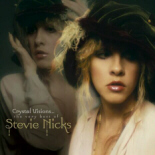
# 42 (49) Stevie Nicks - Crystal Visions... The Very Best Of

THE NETHERLANDS 
June 9, 2012

Top 50 Catalogue Albums Chart
# 31 (31) Fleetwood Mac - The Very Best Of

Friday, October 16, 2020

Nothing will slow Stevie Nicks down.

Stevie Nicks: “In Fleetwood Mac, Christine McVie and I were a force of nature”

On the eve of her new concert film, the Fleetwood Mac singer talks new solo material, Trump's response to COVID-19 and the chances of a 'Rumours'-era reunion

By Greg Wetherall 15th October 2020 - NME

Nothing will slow Stevie Nicks down. When Fleetwood Mac concluded their year-long world tour at the end of 2019, the 72-year-old singer songwriter decamped to her Santa Monica home with the intention of taking the year off from touring. Like the rest of us, she didn’t expect to be holed-up for quite so long. “I’ve been quarantined solid since March,” Nicks tells NME. “I figured that I’d probably do about ten gigs and then I was just going to work on a miniseries for Rhiannon but then the door slams and we have a pandemic.”

Out of these dark days, Nicks has kept a busy schedule. ‘Show Them The Way’, worked upon remotely with the help of Dave Grohl, is her first single in six years. She has also helped produce 24 Karat Gold The Concert, a spellbinding concert film from the 2016/7 tour of the same name, which in cinemas for two nights later this month featuring staples such as ‘Edge of Seventeen’ and ‘Stop Draggin’ My Heart Around’ alongside unreleased gems and deep cuts.

Whilst a viral TikTok video may have drawn headlines and pushed her song ‘Dreams’ back into the charts recently, the two-time Rock and Roll Hall of Famer had other things on her mind when we caught up with her, including her issues with Trump, the lost ‘Buckingham Nicks’ album and why she is fatalistic if ‘Rumours’–era Fleetwood Mac are to never play together again.

Your first single for six years and the 24 Karat Gold The Concert film – this is turning into a very busy time for you…

“In a million years, I never thought I’d have two projects coming out within two weeks of each other. It’s been a lot of work over the last two months, let me tell you. I’m pretty excited and really proud of everything. I think the film is the closest anyone is going to get to a real, serious concert until the pandemic is over. And I think the song is ‘right now’ with what’s going on in our country. Our country is so divisive. We have gone back so far. It is very sad and very scary.”

You have been openly critical of the US administration’s response to COVID-19. You tweeted that ‘Nobody is leading us. Nobody has a plan.’ You called it ‘a tragedy’ and ‘a real American Horror Story’.  

“You know that our President and his wife contracted the virus? It’s like, ‘wear your mask’, you know? It’s a simple thing to ask. Just wear your mask. Especially if you’re the President of the United States. It’s pretty simple. We’ve been told again and again and again that it’s incredibly contagious. I don’t take any chances. Nobody in my world does. For me, as a singer, if I get it and I get that terrible cough that never goes away; if it attacks my lungs and I don’t have my lung power anymore it would kill me. It would destroy my career.”

Do you feel that Trump been irresponsible?

“I think if you don’t wear a mask you’re irresponsible. I’m very sorry that he got it – I’m not saying anything like that – but he never wears a mask. Nobody in his circle does. And now they’ve all got it. It really proves something to the people in the US who view it as some political thing. Well, guess what? It’s not political. It’s dangerous and it’s contagious. But he [Trump] had to get it to know that? He couldn’t listen to the science? He couldn’t listen to all the doctors who probably said in private, ‘you need to take care of yourself and wear your mask’?” 

Why do you think he hasn’t listened to the scientists?

“I think he just thinks he knows better. But what is he going to say now? This is like telling your children to be careful when they go out and then they don’t come home one night. All you can do is tell people and whether they listen or not is up to them. But that’s not my problem. I’m very sorry that they got it. But they knew better.”

You have a reputation for being forthcoming and open in interviews. I presume this is what you’re like in all aspects of your life?

“It’s the only way I can really be. I know that comes from my mum. I just am who I am. I know that sometimes my honesty is a lot for people and that it pushes some away, but if you can’t hear the truth then I can’t really hang out with you!”

In 24 Karat Gold The Concert, you detail difficulties you had making 1983’s ‘The Wild Heart’. You say you were ‘arrogant’ and ‘less of a team player’ than you were on your solo debut, ‘Bella Donna’. Why so?

“‘Bella Donna’ took three months to make. It was the first record in a solo career and I was not stupid enough to waste time and spend too much money. No self-indulgence. Then, after ‘Bella Donna’, I made ‘Mirage’ with Fleetwood Mac. That took a year and we went on tour for about another year. ‘Mirage’ was a big record and had a tonne of singles on it and so, when I came back, I was different. I could not consider myself a cleaning lady and a waitress anymore.”

How did this affect the recording of ‘The Wild Heart’?

“When I walked into the studio I was much more confident. I can call it arrogance or I can call it confidence. It was somewhere in between the two. I was much stronger in my ideas. For example, I wanted to produce. I just wanted to be more involved than I was during the first album. When I look back on that now, that was just me growing as an artist. I didn’t want it all done for me. ‘The Wild Heart’ was different. It needed to be different. Much like how, after ‘Rumours’, we [Fleetwood Mac] made ‘Tusk’ because we didn’t want to do ‘Rumours’ over. Even though the record company said we needed to, we just said, ‘We can’t do it.’”

Was your second album a personal turning point?

“‘Bella Donna’ kicked off my solo career but as I walked away from ‘The Wild Heart’ everybody knew that I had arrived as a solo artist. I was not going to just say, ‘That was fun’ and go back to Fleetwood Mac. I was going to be able to handle being in both bands. When Fleetwood Mac took vacations, I could go and make a solo album and tour. And then go back again. It worked out great for a Gemini: I had two worlds. Never a boring moment.”

Were you ever conflicted about offering songs to Fleetwood Mac rather than keeping them for yourself?

“No, I was never selfish with the songs. If I had ten songs that I had written, I would sit at the piano and play all ten for Fleetwood Mac. I would let them choose because if they chose the songs then they were going to be good. If I tried to shove songs down their throat, they weren’t going to be good. Who they go to is fine by me. It’s never been a problem. It kinda works itself out. The songs that are supposed to be on the record that you’re doing at the time jump out. And the ones that aren’t right for that particular time don’t.”

Thinking of the revelations springing from the #MeToo movement, did you ever experience any difficulties of that kind over the years?

“Honestly… in Fleetwood Mac, Christine [McVie] and I were a force of nature. In the first two months I was in the band, Chris and I made a pact that we would never be in a room full of famous English or American guitar players and be treated like second class citizens. If we weren’t respected, we would say, ‘this party’s over.’ We have stayed true to that our entire career.

In my own career, I didn’t have Christine but I had Lori Nicks and Sharon Celani. My [backing] singers and my best friends. We wanted to be Crosby, Stills and Nash! Sometime we would try not to make my voice louder than theirs, so that we could have that three-part [harmony] going on. I had my girls: the three of us. They were my sound. Together, we were also very much like, ‘don’t mess with us, because we’re really good, we’re talented and we’re really nice women. If you don’t treat us the way we feel that we should be treated we won’t work with you.’”

Was the need for a pact, or strength in numbers, necessary because you witnessed mistreatment, or worse, directly? 

“Sometimes I saw women treated in a way that I didn’t think was great. At 72 years old, I am totally behind MeToo. I support all those women, totally. I joined a famous band in 1975. I didn’t have to move to Los Angeles by myself and try to find a job in a band or try to find something to do with music all alone. I didn’t have to do what women who move to LA to be an actress have to do. I had a team behind me immediately. When I was with Lindsey [Buckingham], I had him. I was never out there alone having to talk to producers or men who were going to try and take advantage of me. I’m really lucky. It’s really unfortunate that most women in showbusiness do experience that, but I seem to have skated through it.”

The film features ‘Cryin’ in the Night’ from 1973’s ‘Buckingham Nicks’. This album has never been released in the CD era and beyond. Due to your fall-out are we further away than ever from a release?

“I don’t know. I think it should be released. It should just be polished up a little bit. I don’t think it should be remixed. I think it should just go out the way it was mixed when we released it. I hope it happens. Owning ‘Buckingham Nicks’ between me and Lindsey is like owning an old Mercedes. One person says, ‘let’s release it!’ and the other person goes, ‘I don’t wanna let it go.’ And then three years later it’s the other way around. That’s what’s been happening with ‘Buckingham Nicks’ since 1975!”

Have you heard back from Lindsey since you sent him a note following his heart attack last year?

“The heart attack was serious. All of us in Fleetwood Mac wrote to him and told him that he’d better get well. Being an ex-girlfriend, I wrote more than that. I said, ‘you’d better stay well and you’d take care of yourself’. The same old thing, right? But we haven’t had any communication. It’s OK. If it’s ever meant to happen, it will. If we’re meant to communicate ever again, we will. It’s not happening right now.”

Did he acknowledge the letter though?

“He’s acknowledged it, yeah. He wrote a kind of group letter to us all. None of us have had any communication with him since. You know, it lasted 43 years, so we had a really, really good run.”

Stevie Nicks 24 Karat Gold The Concert will be in cinemas on 21 Oct. Find your screening at stevienicksfilm.com. The 2CD & digital/streaming releases will be available on 30 Oct.

Wednesday, January 14, 2009

Fleetwood Mac: May 13, Rexall Place - Edmonton

By: SSPEROUNES
01-14-2009
Edmonton Journal

YES! It’s not a rumour or a sweet little lie — pop-rock veterans Fleetwood Mac are about to make their first Edmonton stop in almost two decades. Stevie Nicks, Lindsay Buckingham, John McVie and Mick Fleetwood will perform May 13 at Rexall Place.

It’s part of their Unleashed: Hits tour — featuring classics such as Little Lies, Don’t Stop, Rhiannon, Go Your Own Way, Gypsy, and Big Love. Tickets will go on sale Monday, Jan. 26, according to Ticketmaster.ca, but prices have yet to be announced.

Their last local show was in 1990, when singer/keyboardist Christine McVie was still touring with the group. She stopped in 1994, rejoined two years later, then retired from the road in 1998. There were rumours that Sheryl Crow would stand in for McVie on this upcoming trek, but those have since been quashed by Fleetwood.

____________________________________________________________________

Here is Helen Metella's review of Fleetwood Mac's Dec. 2, 1990 gig at Northlands Coliseum:

So this is Christine McVie's last tour with Fleetwood Mac? What a shame, what a drag. Stevie Nicks' too? Good riddance.

In a consistently irksome and sub-standard performance, the fey, once vocally stunning and visually bewitching lead singer for the British-American supergroup walked through Sunday night's concert in an apathetic, disconnected daze.

Swaddled in what resembled adult-sized christening coats, the admittedly shy, 42-year-old Nicks repeatedly lifted the sides of her skirts so that her silhouette showed and swayed slightly, back to the crowd.

Quite a disappointing departure from the halcyon shows eight and ten years ago when she was crowned the most mesmerizing woman in rock for her dervish-like dances.

More distressing still, she offered dreary, sometimes flat renditions of such shimmering melodies as Rhiannon in a deep register designed to fudge the high notes.

Plagued by throat nodes in the past, perhaps Nicks' careful, unexciting singing form is due to the rigors of a long tour.

But what explains her deliberately and wordlessly padding off-stage through a side curtain after almost every tune only to slowly re-enter a few moments later, like some addled prima donna?

Luckily, Nicks' ridiculously outdated wood-nymph routine and her mystical vocals have never been the sum total of Fleetwood Mac's appeal.

Even with the gifted writer and guitarist Lindsey Buckingham gone - these past three years - from the band's best-known and most successful lineup, the group has meat on every one of its bones.

Keyboardist Christine McVie, an admirably fit and effervescent 46 year old shone on such signature tunes as Say You Love Me with her strong and shapely lead vocals. She also supplied the physical gusto so lacking from Nicks. When the spotlight found her on the front line, the mood of the over 14,000 fans immediately brightened, just as it grew audibly nervous when Nicks took a shaky solo with acoustic guitarist Billy Burnette on the fragile masterpiece Landslide.

Founding members Mick Fleetwood and John McVie formed a bruising duo and a solid foundation for the groove which new members Rick Vito and Burnette laid out from the opening medley.

For World Turning Fleetwood reinvented the obligatory drum solo as Ghana's Isaac Asante, playing congas and hardwood tree branches, duelled with the electronic screeches emanating from the drum pads strapped under Fleetwood's clothes.

As the rhythms grew progressively more tense, wilder, louder and closer together, the band's overwrought lighting system strafed the audience with strobe lights. It added up to nothing in the end, but it was adventurous and different while it lasted.

Ex-Bob Seeger band member Vito lit up his instrument with electrifying lead lines and dove easily into jazzy blues jams from the original Fleetwood Mac's repertoire. Both he and Burnette were also tremendous assets vocally, especially on such comparatively weak tunes as Love is Dangerous, from the current LP Behind The Mask.

But no matter how fine and versatile the band, it was hard to feel fulfilled by this event with the lead singer so wanting.

Sunday, February 03, 2013

Fleetwood Mac Rumours Re-Enters UK Top 100 at #3 | Irelands Top 100 at #12 | Netherlands Top 100 at #7

UK Top 100 Albums Chart - Feb 9, 2013
Fleetwood Mac's Rumours debuts at #3 in the UK.  The reissue is their highest UK chart peak in more than 20 years after 1990's Behind The Mask reached No. 1 in 1990.

# 3 (NEW)  Fleetwood Mac - Rumours 35th Anniversary Edition

Ireland Top 100 Albums Chart - Week ending January 31, 2013
Rumours is new on the chart this week in Ireland as well re-entering at #12.  Greatest hits has been back on the chart a few weeks and moves into the Top 20 at #19.

# 12 (NEW)  Fleetwood Mac - Rumours 35th Anniversary Edition
# 19 (33)   Fleetwood Mac - Greatest Hits

The Netherlands Top 100 Albums Chart - February 2, 2013
Rumours is new on the charts in The Netherlands on the Dutch Charts entering in the Top 10 at #7.

# 7 (NEW) Fleetwood Mac - Rumours 35th Anniversary Deluxe Edition Box

Belgium Top 100 Albums Chart - February 2, 2013
Rumours is new on the Top 100 Album Charts in Belgium at #72.

# 72 (NEW) Fleetwood Mac - Rumours 35th Anniversary Deluxe Edition Box

Australia Top 50 Catalogue Charts - February 4, 2013
The Rumours reissue was just released on February 1st in Australia, so will likely appear on next weeks charts.  In the meantime "Greatest Hits" and "The Very Best Of" have been enjoying some renewed interest linguring around the Catalogue Charts for the last few weeks.  Also, new on the Top 40 DVD Chart is the re-entery of Fleetwood Mac's "The Dance".

# 14 (12) Fleetwood Mac - The Very Best Of
# 21 (30) Fleetwood Mac - Greatest Hits

Top 40 Music DVD Chart

# 31 (R/E) Fleetwood Mac - The Dance

USA Billboard Top 200 Albums Chart - Feb 2, 2013

# 156 (195) Greatest Hits, Fleetwood Mac

Second week for Fleetwood Mac's Greatest Hits back on Billboard's Top 200 Album Chart. Sales for the week ending January 20th = 2,754 up 12% from 2,465 units sold in the US the previous week in which the disc re-entered the chart at #195 on a 66% sales boost. Sales for the week prior to its re-entery were 1,482 units.  Sales for the last 3 weeks for this album alone were: 6,700.  Total US sales to day (Since Nov, 1991) = 4,614,926.

Sales and Rank:
2,754 - #156 Billboard Chart
2,465 - #195 Billboard Chart
1,482 - Not charting

Billboard Top 200 Catalog Albums Chart - Feb 2, 2013

# 31 (44) - Greatest Hits, Fleetwood Mac - 473 weeks on chart accumulated

On the Top 200 Catalogue Chart, Greatest Hits moves up 13 spots to #31 from #44 the previous week.

Greatest Hits has subsequently dropped out of the Top 200 Albums Chart on billboard for the February 9th issue... Fully expect the re-issue of "Rumours" to enter next weeks chart... Where it will re-enter is anyones guess.


Sunday, December 11, 2022

Christine McVie believed in true love, but she also believed in Fleetwood Mac

Christine McVie brought romantic optimism to Fleetwood Mac


Annie Zaleski - NPR
December 5, 2022

The song "Everywhere," a frothy pop hit found on Fleetwood Mac's Tango in the Night that's been covered by Vampire Weekend and Paramore, might be Christine McVie's most optimistic moment. As spine-tingling synths and undulating rhythms swirl around like glittery fairy dust, McVie, who died Nov. 30 at the age of 79 after a short illness, raves about a partner, alternating between wanting to shout about her new love and being left speechless by their beauty. "I want to be with you everywhere," she coos atop a slick of glacial harmonies. It's that extra word that makes a difference. She doesn't just want to be with someone, in general — she wants to be with them everywhere. The first points to making a connection; the second implies deeper pride and commitment and being all-in with your heart.

As a keyboardist, sometimes lead vocalist, and frequent principal songwriter for Fleetwood Mac from 1971's Future Games onward, McVie consistently embraced this type of deep, romantic optimism, comparing love to sunshine (1972's "Spare Me a Little of Your Love"), documenting flashes of unabashed flirting (1982's "Hold Me") and extolling the virtues of true love (1995's "I Do").

Such precision was a hallmark of this West Midlands-raised musician, whose father taught violin and grandfather played the organ at Westminster Abbey. Long before "Everywhere," McVie had been fond of stretching out words and syllables to emphasize poignant themes — as heard on 1975's slinky "Warm Ways," which amplifies "dream," "morning" and "light" to illuminate the coziness of sleeping by a beloved. McVie's busy, bluesy keyboard style, informed by piano lessons but also Fats Domino, Otis Spann and Freddie King, paired well with a soulful alto.

McVie's talent coalesced perhaps most strikingly on the tender piano ballad "Songbird," a highlight of Rumours. Heartfelt and gentle, the song describes the solace of being with someone whose love just feels right. "Songbird" was a piece dusted with magic: Written during a middle-of-the-night session, it was more like she channeled it from another dimension, as she once described to The Guardian. "I sang it from beginning to end: everything. I can't tell you quite how I felt; it was as if I'd been visited – it was a very spiritual thing."

It's a notable reminder that Fleetwood Mac's catalog isn't all bitter and beautiful breakup songs, though romantic tension will always be central to the band's appeal (and something of an albatross, too). On one hand, the band's complicated entanglements and tenuous relations led to creative genius, as with Rumours. More than 35 years after its release, the album remains an astonishing sales juggernaut, in no small part because of its nuanced depictions of stormy relationships. The songs function like conversations in a crowded room; Lindsey Buckingham tells one-time partner, Stevie Nicks, she can "go your own way" and "call it another lonely day," while Nicks in turn volleys back, "Listen carefully to the sound of your loneliness."

On the other hand, Fleetwood Mac's narrative is still dominated by the push-and-pull between Buckingham and Nicks, even though the couple broke up in the mid-'70s. Despite the passage of time, their up-and-down relationship remains a subject of fascination, most recently when personal disagreements played out in the press after Buckingham was reportedly fired from the group in 2018.

Not that McVie was immune to the intra-band romantic tumult: Then named Christine Perfect, she married bassist John McVie in 1968 and joined Fleetwood Mac a few years later. The couple divorced in 1976, and their post-breakup years dovetailed with the band's rise to superstardom, which McVie acknowledged could be difficult. "Both Stevie and I, we were married to Fleetwood Mac," she told Guitar World in 1997, as quoted in the 2016 book Fleetwood Mac on Fleetwood Mac: Interviews and Encounters. "That was what we did and it was a harsh marriage." McVie did remarry for real — to Eddy Quintela, her co-writer on multiple songs from 1987 onward — but that marriage also eventually ended.

Despite the real-life romantic disappointments, McVie's music wasn't diaristic. Speaking to The Guardian earlier this year, she was ambiguous about her inspirations: "Most of my songs are based on truth and real people, but a lot of them are just fantasies, really." That perhaps explains why McVie's songs maintain so much optimism despite lyrics that often express uncertainty.

Her narrators often aren't sure where they stand in a relationship or put up with challenging behaviors: indifference, moodiness, and emotional distance. On Tusk's brooding "Brown Eyes," the protagonist reveals her desire for someone right away, in the first verse. Only later do doubts creep in about their long-term chances: "And are you just another liar?"

The main characters of two other Tusk highlights — the languid, twangy album-opener "Over & Over" and the rocker "Think About Me" — ask for clarity point-blank. The latter's narrator justifies the ask by pointing out how much leeway she gives the other person: "I don't hold you down / And maybe that's why you're around."

But McVie's songs saw that admitting vulnerability could also be a strength. Even if a relationship wasn't perfect, better days might still be around the corner. Her protagonists might be insecure, but they didn't come across as meek — as in 1975's "Over My Head," in which things aren't necessarily going well with a moody partner: "Sometimes I can't help but feel / That I'm wasting all of my time" — and they weren't afraid to assert themselves. On the piano-driven "Prove Your Love," she explicitly says: "If you want to please me, baby / Then don't act like a child." There's pragmatism at the heart of her quest for silver linings.

In interviews, McVie frequently downplayed or understated her approach to songwriting. "I'm a pretty basic love-song writer," she told Guitar World. "Pretty basic relationship writer. I'd be the last one to say it for myself, but I've been told that I have a way of saying the obvious in a non-obvious way." McVie knew her strengths and stuck to them. "I stayed with songs that are simple and unpretentious," she told the Los Angeles Times while promoting her second solo album, a 1984 self-titled affair. "That's what I do best."

That consistency grounded Fleetwood Mac as the band's music evolved from snaky blues jams to polished pop-rock and into more experimental territory, before settling into an adult contemporary groove. McVie's melodies stood out like polished gems sifted out of an archaeological dig; early compositions like the pastoral folk of "Show Me a Smile" or the barnstorming boogie "Just Crazy Love" gave way to sleeker, polished fare on the Buckingham-less 1990 LP Behind the Mask and Nicks-free 1995 album Time. The former's title track, written by McVie, is especially haunting in the way it calls someone out for their two-facedness and says in no uncertain terms there are no second chances.

"We all just complement each other, because we're such different writers," McVie told me in 2017, in reference to Fleetwood Mac. "My contribution is the romance and the warmth. The love songs."

McVie only released three solo albums in her career (though earlier this year she released a compilation, Songbird, which featured two unreleased solo songs) and ended up taking a 16-year break from Fleetwood Mac, between 1998 and 2014. The time away rekindled McVie's enthusiasm for music. Decades after joining Fleetwood Mac, she never lost the romantic notion of being in a band. "Carnival Begin," recorded for her joint 2017 album with Lindsey Buckingham, details her feelings about jumping back into the chaos of touring and the Fleetwood Mac machine: "I want it all / All the sparkling things / A new merry go round."

McVie believed in true love, but she also believed in Fleetwood Mac. Talking to Rolling Stone in 1997, she shared one potential inspiration she thought of while conjuring "Songbird": "I think I just was thinking of all the band members – 'God, wouldn't it be nice just to be happy?' " That insight brings new meaning to one of the most touching lines on "Songbird": "I wish you all the love in the world / But most of all, I wish it from myself."